






















content marketing vs. SEO

Content Marketing vs SEO: Know How to Unite Your Storytelling with Search

In the fast-moving world of digital marketing, two terms that come up again and again as cornerstones of success in the online space are content marketing and SEO. They often get mentioned as different disciplines, creating a slightly misleading question – which is more important? The reality is that the most successful digital strategies do not think of these terms in opposition, but rather, as a fetchingly interdependent pairing. The goal is not to weigh one over the other, but to merge your brand’s engaging storytelling with the tactical needs of search, forming a machine for sustainable, long-term growth.

Content: The Soul of Your Story

Content Marketing is fundamentally the purposeful practice of creating and distributing valuable, relevant, and consistent content. The goal of content marketing is to attract and to retain a clearly defined audience, and, ultimately, drive profitable customer action. Think of content as the heart and soul of your digital presence. It’s the blog that solves a user’s issue, the video that entertains, the infographic that educates, and the guide to create trust and authority with a user. Without a high-quality product/content, you sadly have no business to offer users.

Part of the beauty of content marketing plays to the emotional side of business, the building of authority, and moving a prospect along their journey to customer. Without a strategy to push immersive content that is discoverable, even the best content creation could feel like an echo in an empty room, it would be invisible.

SEO: The Map to Your Audience

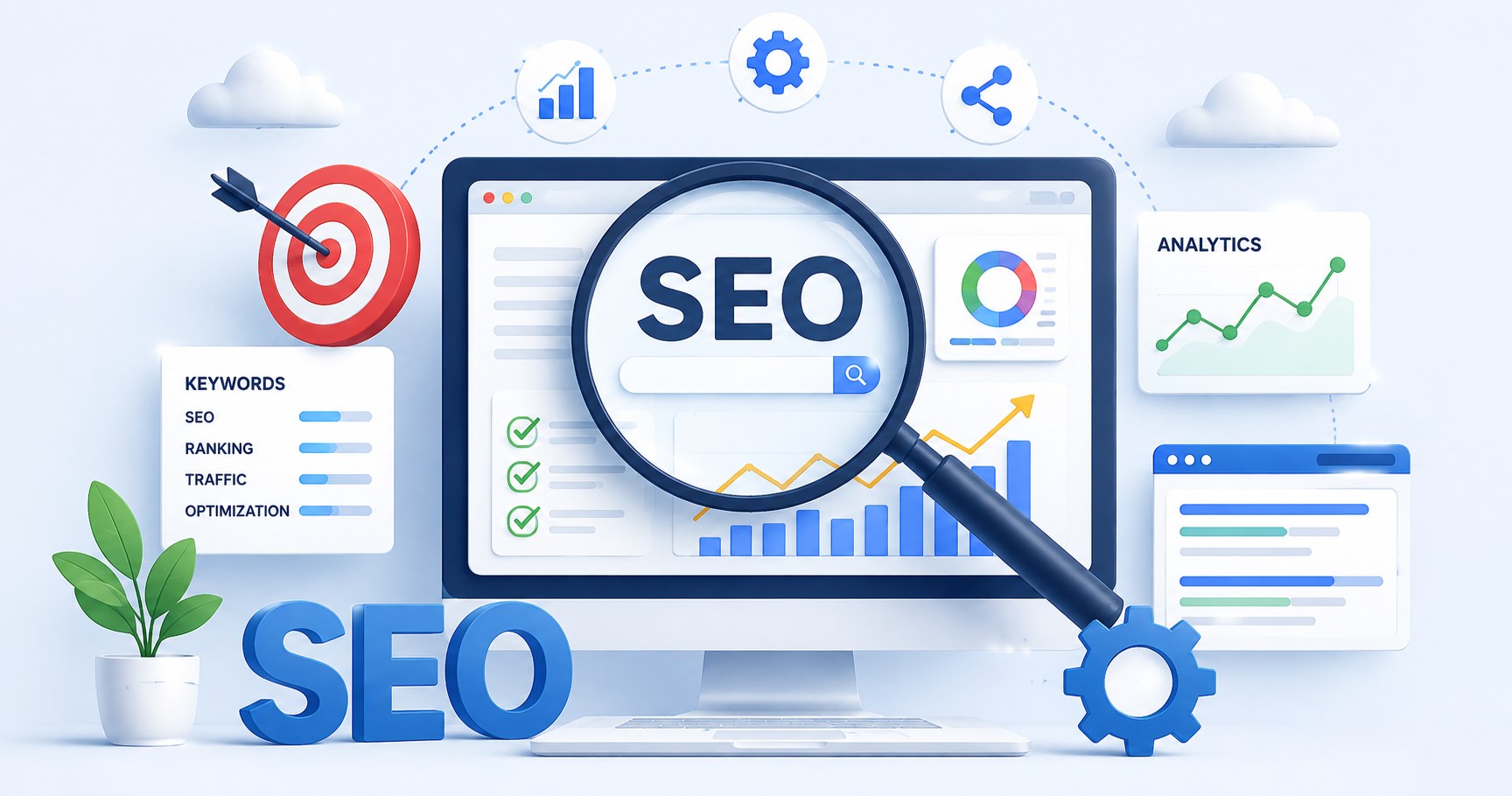
This is where the second powerhouse comes into play: SEO, or Search Engine Optimization. If content is the soul, SEO is an established map and compass that directs the right people directly to it. Search Engine Optimization is the practice of optimizing, or making improvements to your content, the website structure and technical pieces of your website so that search engines like Google understand it, index it, and then rank your website and pages highly as relevant search results.

The technical piece of SEO which covers site speed, mobile-friendly, secure Urls etc. serves as the foundation for being discoverable. SEO and is one of the most reliant marketing channels on keyword research to understand exactly how your target audience is searching for answers in your industry. It takes creative storytelling and makes it a measurable traffic driving channel.

Building a Content Strategy: The Unified Approach

The real evidence lies when you stop viewing them as disconnected battles, and instead, see it as one unified mission. Using an integrated approach means that each piece of content you create is valuable to a human and findable by a search engine.  

Building a content strategy that successfully merges both practices begins with a straightforward idea: Every keyword represents a question, and your content is the answer.  

Here is the formula for unity:  

  1. Audience-First Keyword Research: Don’t only discover keywords, discover the intent behind them. Utilize keyword research not only to optimize, but to discover the pain points and inquiries your audience is actively searching for. This ensures your content is relevant to the prospective audience and is addressing actual needs. 
  2. Mapping Content to the Journey: Make sure you have content at every phase of the buyers journey from the high-level awareness searches to the particularized transactional queries. This is crucial in building a content strategy. 
  3. On-Page Optimization: Naturally integrate your desired keywords into the title tag, heading (H1-H6), meta description and body of the content. This establishes for the search engines exactly what the compelling story is. This establishes the correct balance: write for people first, and optimize for search engines second. 
  4. Technical Foundation: Ensure that the SEO health of your website is in stellar condition. A fast, mobile responsive website with a clear structure provides the roadmap that allows search engines to efficiently crawl and index your content.
  5. Quality and Authority: Google values E-E-A-T (Expertise, Experience, Authoritativeness, and Trustworthiness). High-quality, comprehensive, and supported content at the center of content marketing and SEO is the key to generating backlinks and, subsequently, establishing authority and ranking well in search results.

Conclusion

By combining content marketing and SEO, you’re not only optimizing your quality content to be seen, but you’re building your brand as a reliable resource. You leverage search data to help develop your storytelling, which also ensures that your high-converting stories are being seen by the right people, at the right time.

At Digishot, we know growth is stunted when working in silos. Therefore, we offer a coordinated approach with end-to-end services that provide technical SEO, deep keyword analysis, and a content marketing plan that consists of building a content strategy to reach your unique business goals.


Frequently Asked Questions


The primary goal is to build trust, establish authority, and foster engagement by consistently creating valuable content that solves the audience’s problems, ultimately leading to profitable customer action.
Content marketing is about what you create (the story and value), while SEO is about how you make it discoverable (the technical and on-page optimization for search engines). They are complementary, not competing. 
For SEO, keyword research identifies the exact phrases to optimize for. For Content marketing, it reveals the precise topics and questions your audience is searching for, ensuring your content is relevant and in demand.
The first step is defining your target audience (buyer personas) and setting clear, measurable goals (e.g., increase organic traffic by 20%), which will guide all content and SEO efforts.
Yes, significantly. If your site is slow or hard for search engines to crawl (poor technical SEO), even your best content will struggle to rank and be found by your target audience.

Share Article