
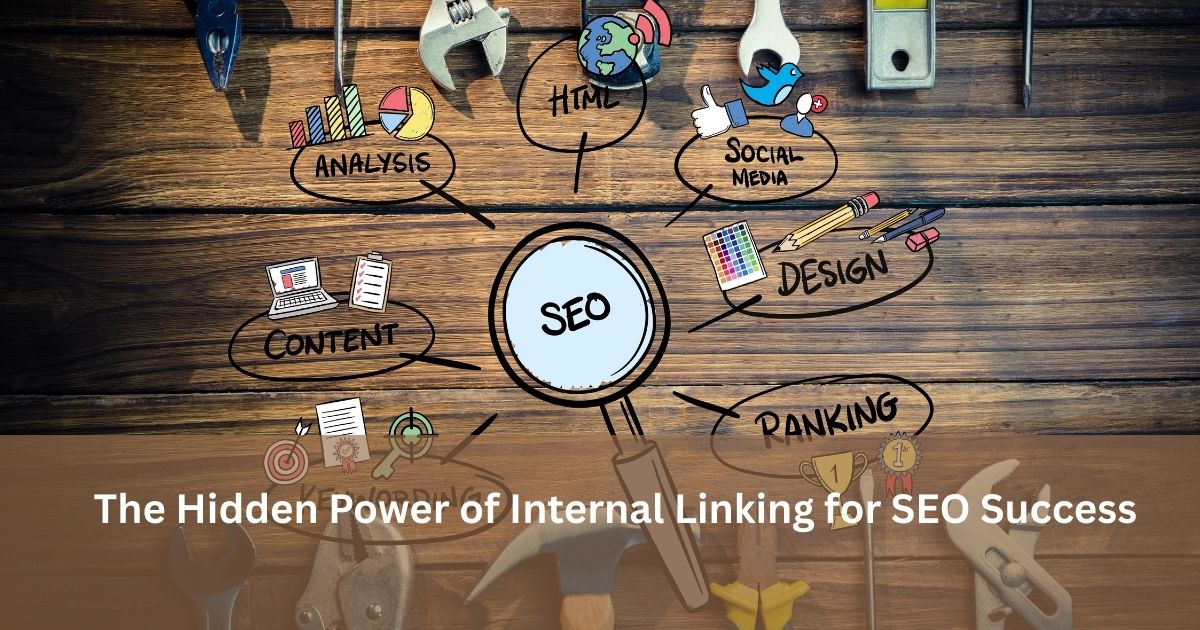
The Hidden Power of Internal Linking for SEO Success
Most of the external link building effort and focus lies elsewhere in your SEO strategy and practices. (It’s very important though!) But the most powerful, immediate, and controlled component of your SEO strategy and practices lies within your own domain: Internal Linking SEO.
Internal links are hyperlinks from one page to another page of your website on the same domain. Internal linking is the unsung hero of on-page optimization. Internal links serve as the central nervous system of your website. They control the direction and flow of your users and the search engine crawlers (aka bots). If your internal link profile is poorly constructed, your most important content may not be discoverable, whereas a solid strategic profile can lift your entire domain’s authority.
Why Internal Linking is a Vital SEO Strategy and Practice
Failing to focus on internal linking SEO is like having a huge library but not a catalog. Google crawlers utilize these internal links to travel through your site, establishing its arrangement and which materials are important. It has many benefits:
1. Page Authority (or Link Equity) Dispersal
When a high authority page on your site, be it an important long-standing article or a page with lots of high quality links, links to a new or less authoritative page, it shares a part of that authority (i.e. link juice). Intentional content authority dispersal is a great strategy of any link building strategy and will help enhance the ranking opportunity of the target page.
2. Crawlable and Indexable
Internal links are pathways for the SEO robot to follow. If a page does not include links on the page to another page (an orphan page), Google may have trouble finding that page and indexing it. Creating a strong interconnected net of internal links will ensure that all important content is linked. This is a part of SEO strategy and practices and is recommended for big websites.
3. Defining Site Architecture and Context
Strategic internal linking SEO helps you create topic clusters for your content. A pillar page covers a high-level topic and links to several related cluster pages with more detail. Each of the cluster pages then links back to the high-level pillar page. This hierarchy indicates a relationship among your content pieces to search engines and builds topical authority.
4. Improving User Experience and Engagement
The best links for SEO are the ones that truly help a user. When you use relevant, contextual links, you’re naturally guiding visitors on a logical path across your site, answering their follow-up question and inviting them to continue exploring your site. This approach reduces bounce rates and increases time on site; for both the metrics, Google rewards as a best practice for the user experience.
Visit Us: Find out more about our SEO services now!
On-Page SEO Key Tips for Masterful Internal Linking
Effectively managing your internal linking profile involves precision and consistency. Following these On-page SEO tips will help make your internal links into high performing ranking assets:
- Contextual Linking is Critical: Avoid generic anchor text such as “click here.” Instead, utilize descriptive and keyword-rich phrases that tell the user and search engine exactly what the destination page is about (e.g. “our guide to internal linking SEO”).
- Linking To Important Pages: You want to consciously link more often from authoritative pages to the pages where the most value is created for your business – your conversion driving pages or cornerstone content. This Link Building Strategy can push authority from one of your higher authority pages to another page that could benefit from not having any authority.
- Review and Fix Broken Links: Broken internal links are terrible user experience and bad for SEO. Regularly reviewing your site and finding broken internal links and fixing these dead ends is part of critical maintenance and part of any On-page SEO tips list.
- Linking From Old To New: Whenever you publish new content, make it a habit to have an editor that checks in on older articles that have had great organic traffic or referral sources already. An editorial process for link building, using contextual links will spread the authority to help the new page rank faster.
Digishot: Your Internal Linking Experts
The practice and discipline of internal linking SEO includes more than just inserting some links. It involves a strategic audit of your site architecture, an analysis of your content map, and knowledge of best practices for On-page SEO tips.
At Digishot, we focus on advanced link building strategy planning, including comprehensive topic cluster models, and a thorough internal link audit. It is about harnessing the power sitting ‘in plain site’ within your website to ensure each page is set-up for success.
Frequently Asked Questions

Founder & CEO
Mr. Bigyan Kar is the CEO and Managing Director of Digishot Technologies, providing inspiration and direction to the company. He believes that brands can be empowered by a strategic approach to digital transformation. A major contributor to the success of Digishot is Mr. Kar’s commitment to building a full-service digital marketing and web solutions provider. Under his leadership, Digishot has built an extensive portfolio of services, including branding, website development, search engine optimisation (SEO), and performance marketing, resulting in powerful results for their clients. Mr. Kar’s enthusiasm for developing innovative strategies and executing them based on his clients’ needs is what makes Digishot the best in its industry.